04.02.2026
7 Ways to Cool Down After a Sauna
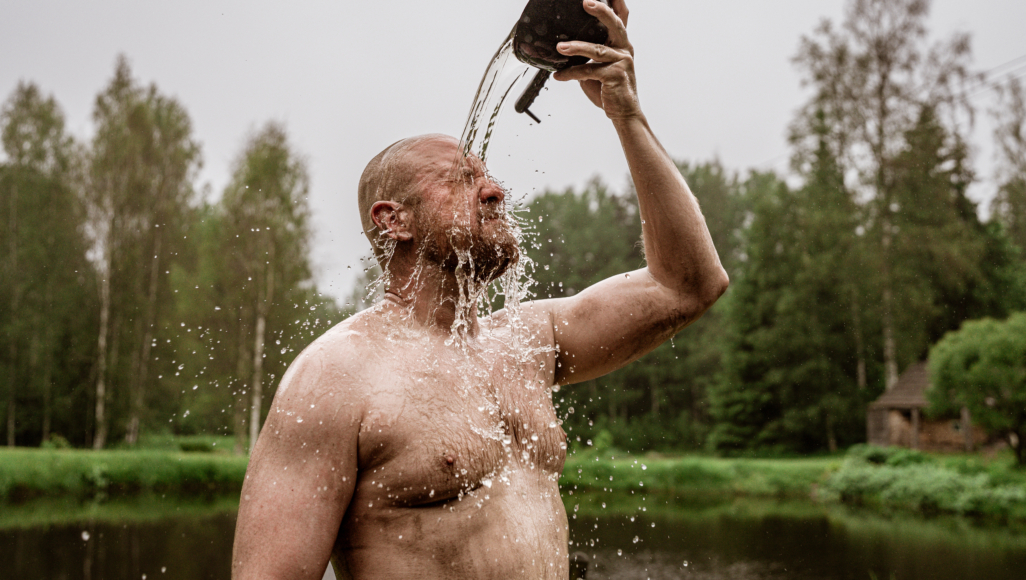
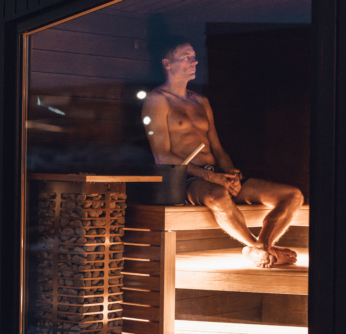
A sauna is more than just heat – it is a holistic ritual that brings body, mind and nature together into a single, balanced experience.
Across Europe, more and more people are discovering Nordic sauna culture, where a sauna session does not end when the door closes, but continues with refreshing cooling and quiet recovery.
This is where cooling – also known as controlled cold exposure – becomes part of the ritual, creating a natural alternation of heat and cold that supports recovery and leaves the body feeling clear and refreshed.
In this article, we explore how to cool down after a sauna. We look at the different ways to incorporate cooling into your sauna ritual and how to find the approach that suits you best.
Why Cooling Is an Essential Part of the Sauna Experience
In the Nordic countries, cooling after the sauna has been part of sauna tradition for centuries. A sauna is not only about sweating – it is about cleansing the body, releasing tension, and then introducing a refreshing contrast that awakens the entire system.
The heat of the sauna opens the pores and relaxes the muscles. Cooling, in contrast, brings the body back into balance by:
- stimulating circulation;
- supporting the immune system;
- enhancing recovery;
- restoring energy;
- creating a deep sense of well-being.
Many people describe this moment as a kind of “rebirth” – a state where the body feels both calm and alert at the same time.
Cooling is not a new or modern wellness trend. As early as the 17th century, travellers visiting Estonia wrote with great fascination about how local people cooled themselves between sauna rounds by rubbing their skin with snow or immersing themselves in icy water.
Adam Olearius described how people, flushed red from the heat, would run out of the sauna, pour cold water over their bodies or rub their skin with snow in winter, and then return to the warmth — noting that this alternation between heat and cold caused them no harm at all.
What Happens in the Body When Heat and Cold Alternate?
In the sauna, the body warms up, blood vessels expand and heart rate increases. When the body is then exposed to cold, the opposite reaction takes place: blood vessels constrict and the body activates its natural protective mechanisms.
This contrast between heat and cold is one of the reasons why a sauna session combined with cooling can feel so powerful. The effects may include:
- improved circulation and oxygen flow;
- faster muscle recovery;
- reduced stress;
- the release of endorphins.
Cooling does not need to be extreme to be effective. Even fresh outdoor air or a cool shower can create the same refreshing and revitalising effect.
Ways to Cool Down After a Sauna
There are more ways to cool down after a sauna than one might expect. The key is to find the level of intensity and the setting that feels right for you.
1. Cooling in Fresh Air
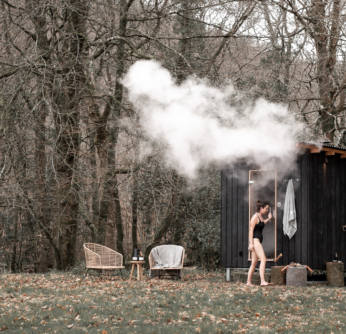
One of the simplest and most universal ways to cool down is to step outside or stand by an open window after the sauna. This approach is especially suitable for beginners, as it allows the body to cool down gradually and naturally.
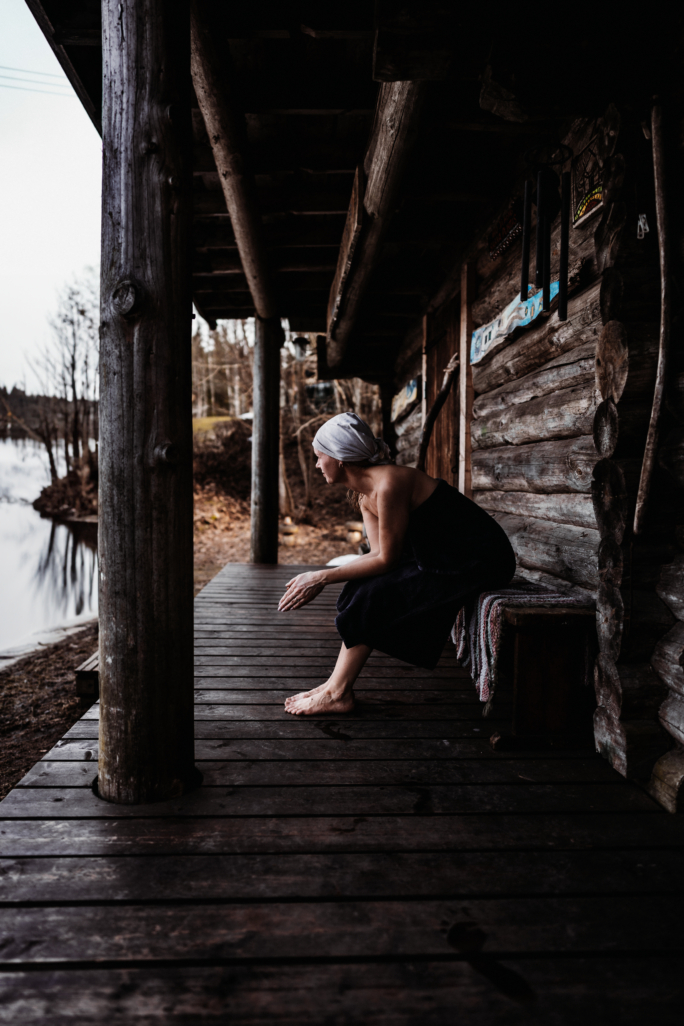
This option is ideal if you:
- are new to sauna rituals;
- prefer a gentle and calming contrast;
- have a sauna surrounded by nature.
2. Cold Water Pouring
A traditional part of sauna culture that provides a quick and powerful sense of refreshment.
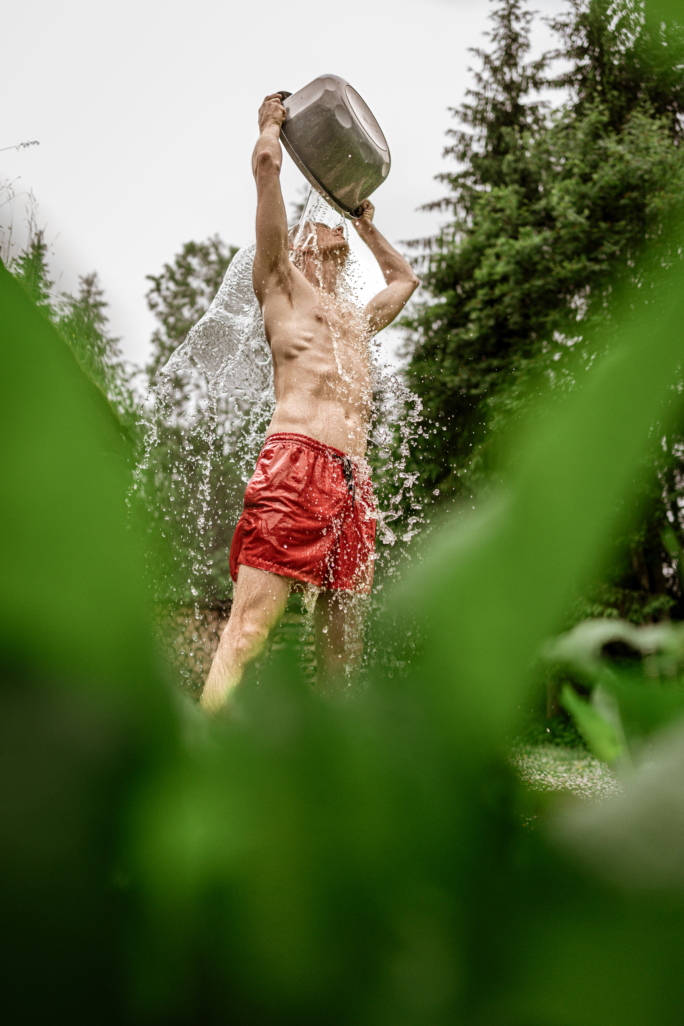
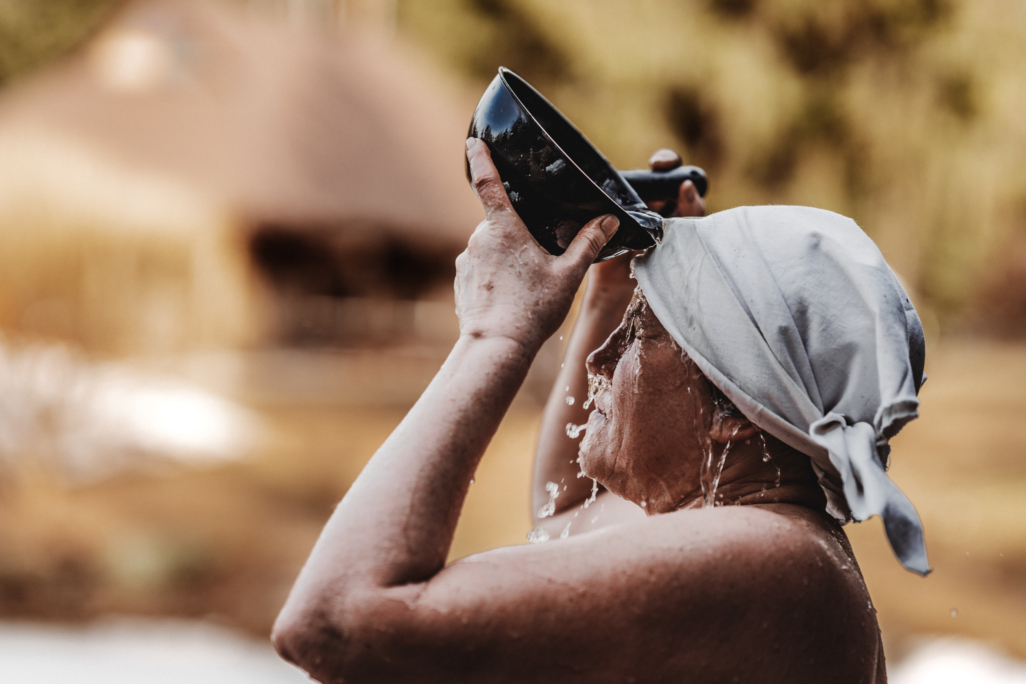
Cold water is poured over the body all at once, creating an immediate cooling effect that awakens the senses.
Cold water pouring is a good option if you:
- are looking for a strong contrast;
- are already familiar with cooling methods;
- want a fast and effective cooldown before returning to the sauna.
3. Swimming in a Lake or The Sea
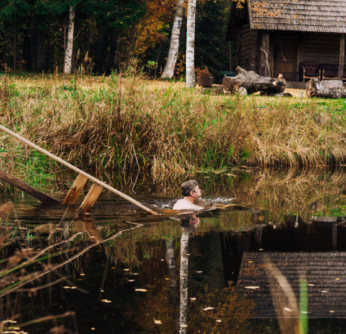
Natural bodies of water offer one of the most beautiful ways to cool down after a sauna. Across Europe — whether it’s an alpine lake, a North Sea shoreline, or a forest lake in Estonia — swimming after the sauna creates a unique sense of connection with nature.
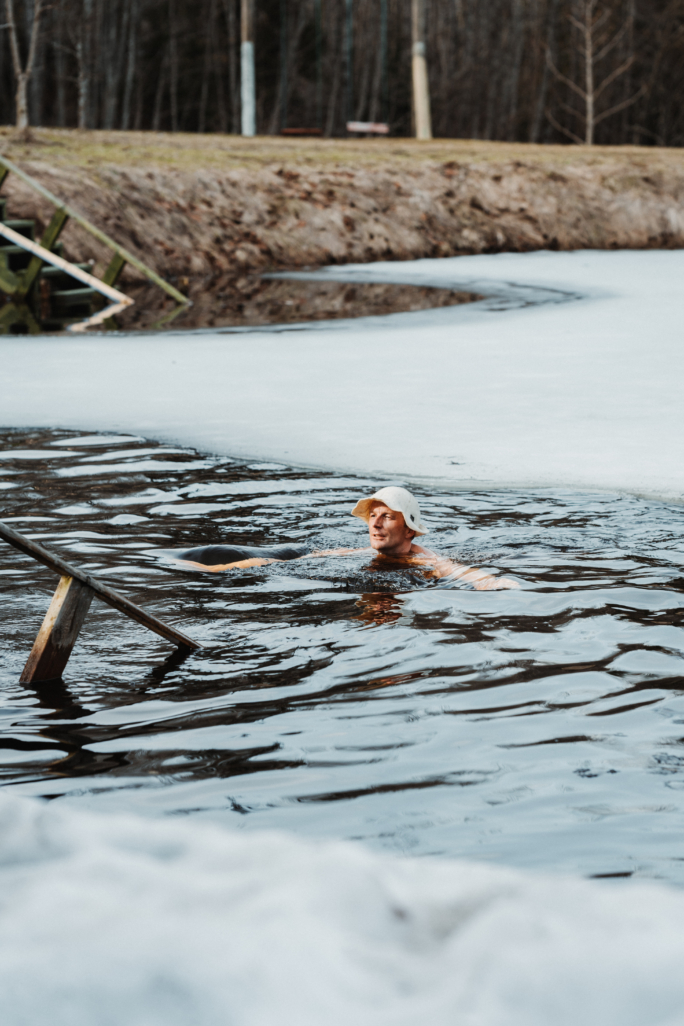
Swimming in a lake or the sea is especially effective because:
- the water cools the entire body evenly;
- the natural surroundings add a sense of calm and openness to the ritual.
4. Stepping into the Snow
A winter classic closely associated with Nordic sauna culture. Just a few seconds in soft, clean snow can feel surprisingly refreshing and invigorating.
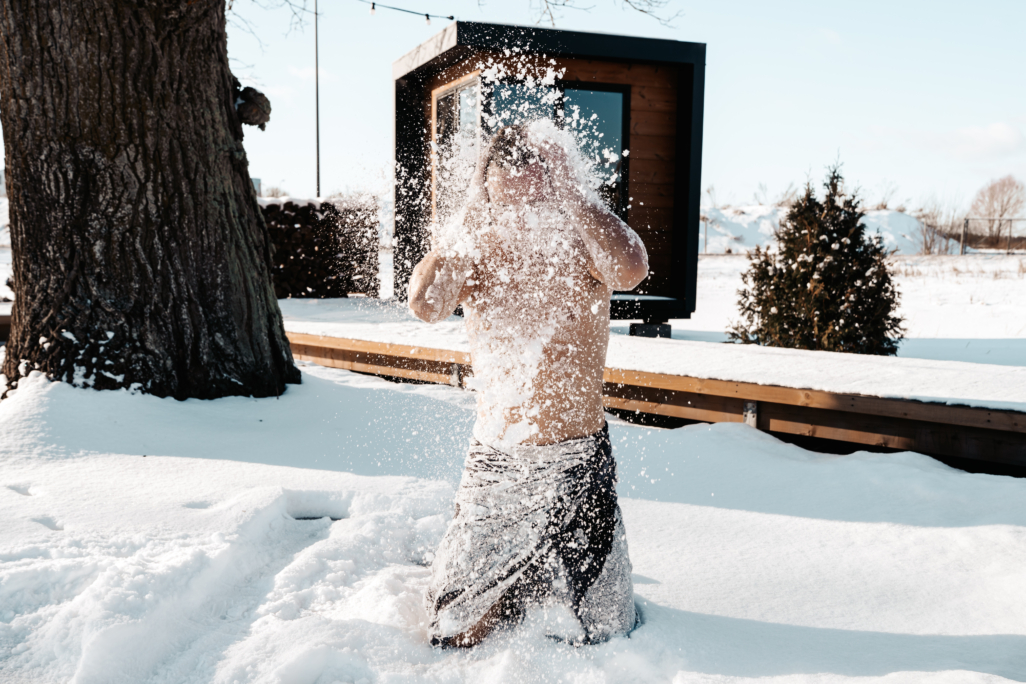
It is an intense but very brief experience. It’s important to keep in mind that:
- only a moment is enough;
- the body should be warm, not fatigued;
- the snow should be clean and soft.
Historical sources describe how Estonians have been rolling in the snow as a form of cooling for centuries.
At the same time, this method requires care — icy or crusted snow can scratch skin that has softened in the heat of the sauna and may cause more harm than benefit.
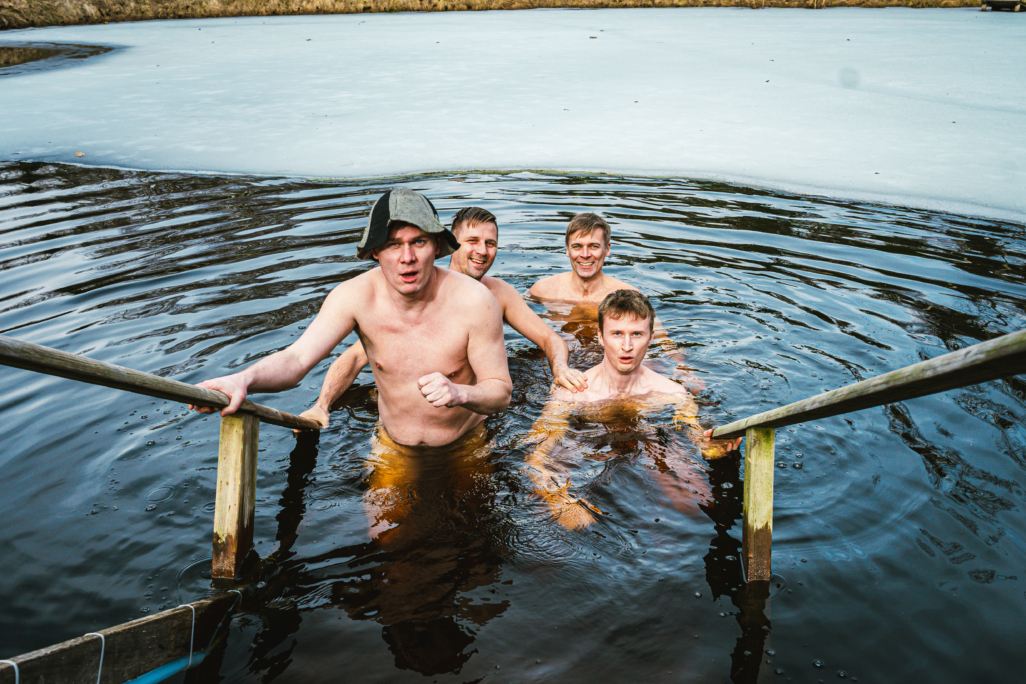
5. Ice Swimming and Cold-Water Immersion
In recent years, cold-water swimming has become an increasingly popular practice across Europe — from Scandinavia to Germany and France.
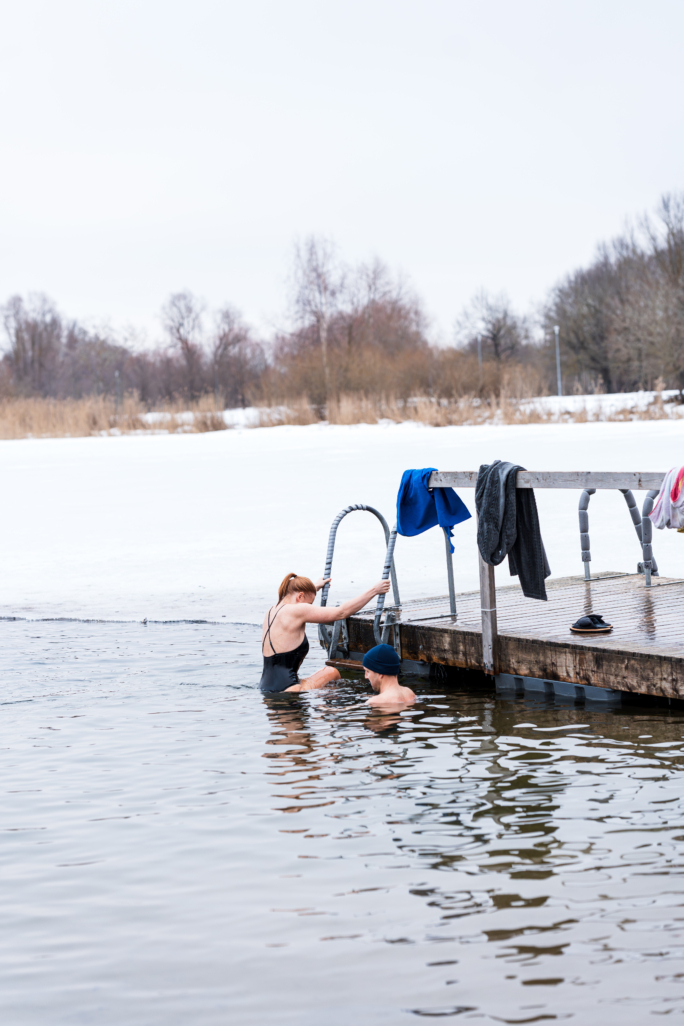

The combination of sauna heat and ice-cold water is powerful, but it requires caution and calm, controlled breathing.
This approach is suitable if you:
- are an experienced sauna-goer;
- have a safe location and someone nearby;
- are looking for a strong cooling and revitalising effect.
A sudden alternation between extreme heat and cold is not suitable for everyone. In certain cases, it may trigger heart rhythm disturbances, and for people with cardiovascular conditions it is not recommended to move directly from a hot sauna into ice-cold water.
6. A Wet Towel or Cold Compress
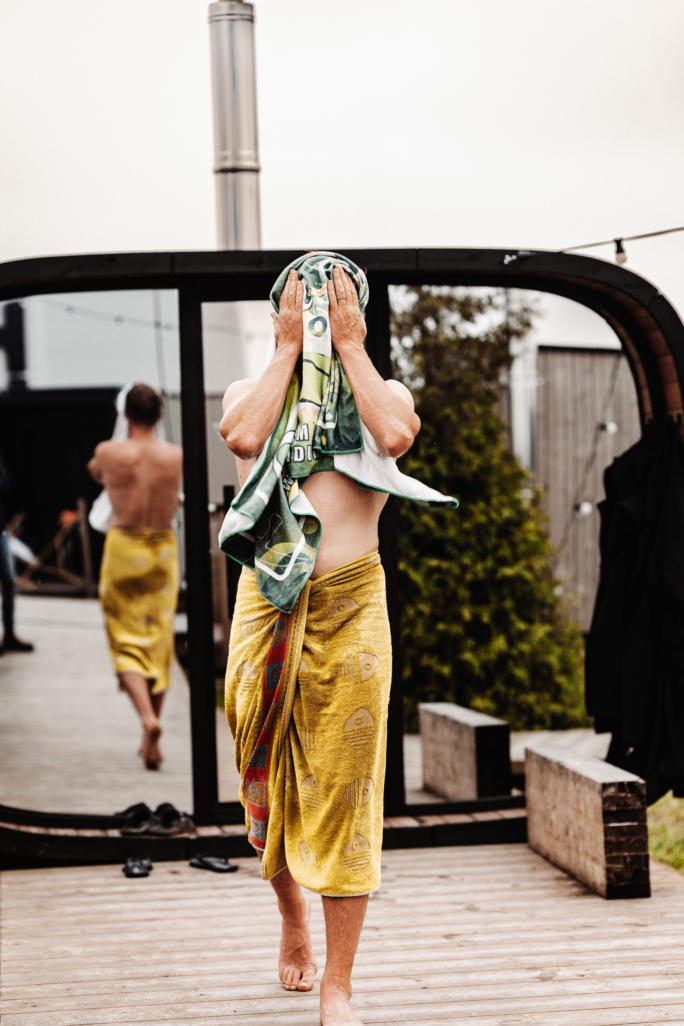
Sometimes partial cooling is all that’s needed — for example, placing a cool towel on the neck or wrists.
This is a gentle and calming way to cool down, especially in warmer climates or during summer sauna sessions.
7. Cold Shower
A cold shower is one of the most popular ways to cool down in European home saunas. It is simple, safe and easy to control.
You can start with lukewarm water and gradually move towards colder temperatures.
This option is well suited if you:
- want to build a daily cooling routine;
- do not have access to a lake or pool;
- prefer to control the level of intensity yourself.
As you can see, there are many different ways to cool down after a sauna. Each method offers its own benefits, but the goal is always the same: to restore energy, stimulate circulation and deepen the overall sauna experience.
How to Start Cooling Safely
Cooling after a sauna can seem extreme at first — especially when thinking about stepping into snow or icy water. In reality, it does not have to be a sudden shock or a test of bravery. When approached gradually and mindfully, cooling becomes a natural part of the sauna ritual, supporting both physical balance and mental well-being.
The most important thing to remember is this: cooling is not a competition, but a process of listening to your body and allowing it to adapt.
If you are new to cooling methods, start with small steps:
- begin by cooling down in fresh air — step outside the sauna, breathe deeply and allow your body to settle
- choose a cool shower rather than ice-cold water right away
- keep exposure to cold brief — often just 5 to 15 seconds is enough
- always warm up calmly afterwards, wrapped in a towel or blanket, instead of returning immediately for another sauna round
The goal of cooling is refreshment, not endurance. If your body starts to shiver or you feel discomfort, it is a sign that it’s time to stop.
It is recommended to follow a simple rhythm:
heat → cold → rest
Rest is just as important as the heat and the cooling itself. The body needs time to recover and adapt.
Most importantly, if you have cardiovascular conditions or other health concerns, it is advisable to consult a medical professional before trying more intense cooling methods.
Cooling as Part of Sauna Culture
A sauna is a ritual that connects people with nature and with themselves. Across Europe, Nordic sauna culture is being rediscovered, where a sauna session is not simply about sweating, but about a complete experience: heat, cooling and recovery.
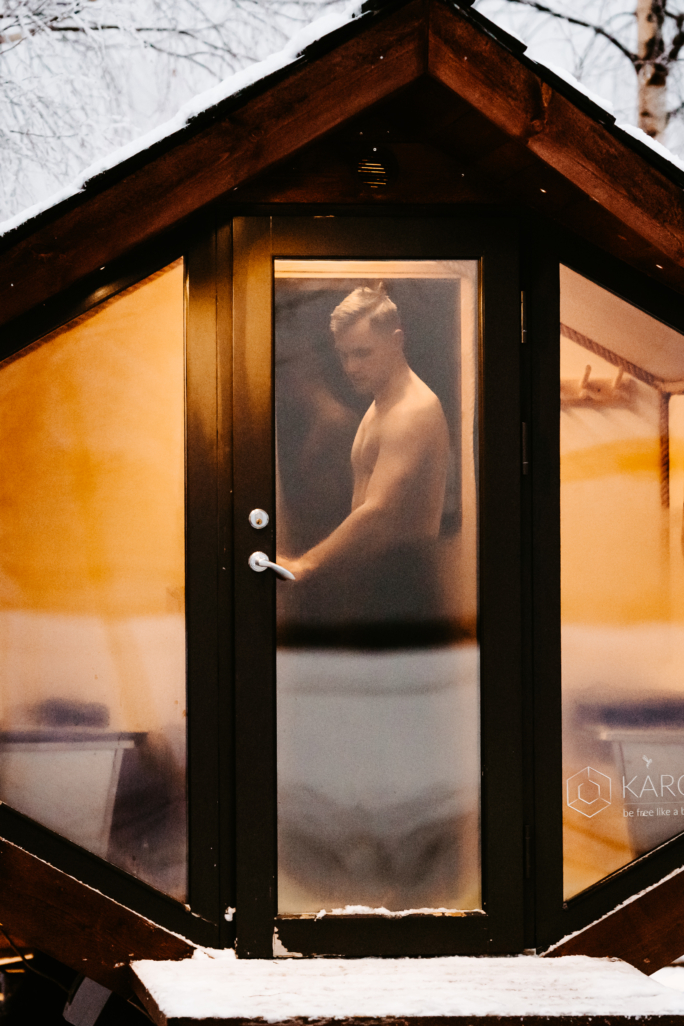
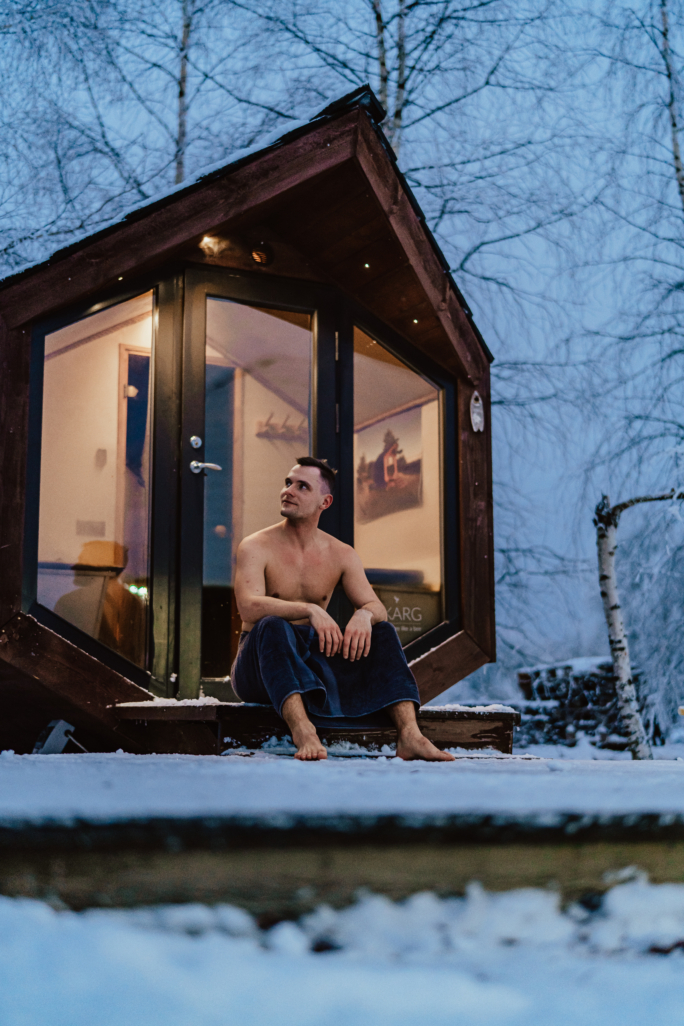
Cooling plays a vital role in this rhythm, creating balance within the sauna ritual.
In the Nordic countries, the alternation between heat and cold has been a natural part of sauna culture for centuries. Stepping into the snow in winter, entering a lake in summer, or simply cooling down quietly outdoors — these moments create a feeling of the body awakening and the mind becoming clear.
Contemporary studies show that cooling remains a regular part of the sauna experience for many sauna-goers. Cold water immersion is often recommended for athletes as a way to support muscle recovery after physical exertion.
In today’s fast-paced, screen-filled everyday life, contrast therapy offers something increasingly rare:
- a moment of full presence
- deep relaxation
- a refreshing sense of renewed energy
- the feeling of truly returning to your body
Cooling does not need to be extreme. For some, it means ice swimming; for others, a cool shower or fresh air on a terrace. What matters most is that the sauna becomes an experience that restores and reconnects.
This is the essence of the Nordic sauna: simplicity, nature and balance.
Find the Cooling Method that Suits You
Cooling down after a sauna is about much more than simply enduring cold water. It is a natural part of the sauna ritual — a moment where heat gives way to freshness, allowing the body to experience deep and complete recovery.
The key is to begin gently and listen to your body. Cooling does not need to be extreme; it should be a personal and supportive part of well-being. Sometimes, just a few calm breaths in cool, fresh air are enough to feel restored and balanced.
The sauna is a place where time slows down. Cooling is the moment when the body awakens.
Whatever your chosen way of cooling, what matters most is that it turns the sauna into a complete ritual — one that reconnects you with nature, your body and yourself.
A sauna does not end with heat. It continues in freshness.