05.04.2022
Sauna and its therapeutic effects on the basis of science and folk medicine
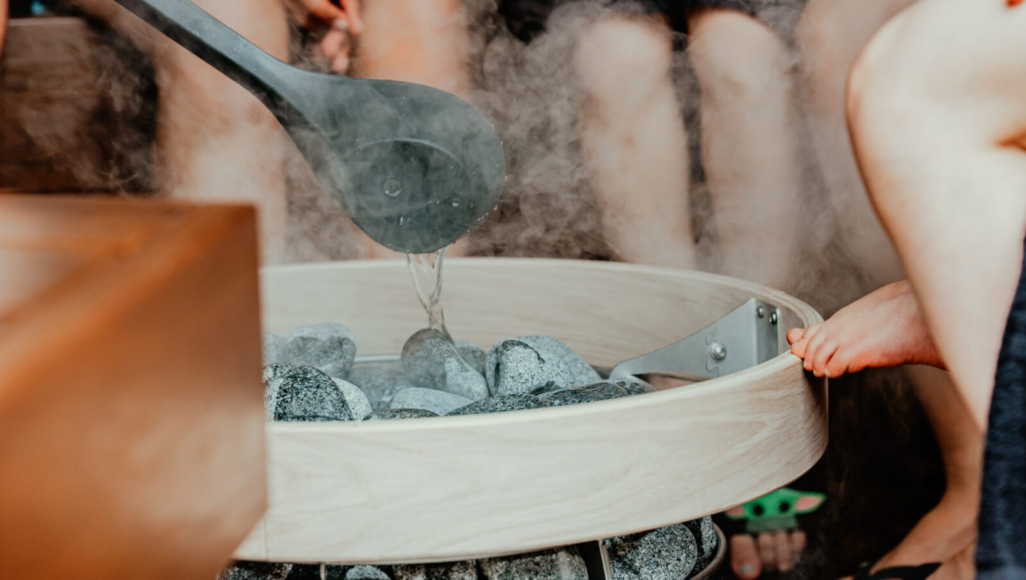
In Estonia, where sauna traditions date back centuries, the sauna has always played an essential role in maintaining good health and treating various health problems. Let’s look closer at the curative impact of the sauna, pursuant to Estonian sauna traditions and on the basis of contemporary medical research.
A sauna is the doctor of the peasantry
There is a reason why sayings like “a sauna is the doctor of the peasantry” and “sauna is the healer of the paupers, its steam is the remedy” have been passed over to generations in different regions of Estonia.
In her book “Eesti saun”, Tamara Habicht provides interesting insights into sauna’s history as the essential part of Estonian indigenous medicine. For centuries, it was natural for Estonian peasants to heal themselves mainly with the help of folk wisdom that was passed on from generation to generation.
- The sauna played an important part among other home remedies that were used for various common health issues. In addition, going to the sauna regularly was thought to improve health and to ensure a long life.
The sauna was known to give relief
Whenever bones or joints were painful, muscles were strained and stomach ached from hard physical work in the fields, the sauna was known to give relief.
Whisking oneself with twigs was and still is the most popular sauna ritual in Estonia. Besides birch twigs, other plants have also been used for whisks (for example, juniper, oak, fern and nettle). All these plants with their particular virtues were considered to have specific benefits for alleviating different health problems.
Even when the cause of the disease and the symptoms was unknown, it was always considered beneficial to go to the sauna for a good sweat and to beat the body with birch twigs.


Modern science has put the folk wisdom to the test, and has attempted to verify whether the sauna actually has a tangible and evidence-based positive effect on the body. By now, various studies have confirmed that this is really so.
In 2018, Mayo Clinic Proceedings published a review that affirmed that frequent sauna sessions with the temperature ranging from 80°C to 100°C can be associated with the reduction of the risk of:
- vascular diseases, such as high blood pressure, cardiovascular diseases, and neurocognitive disorders;
- non-vascular conditions, such as pulmonary diseases.
Furthermore, the evidence suggests that sauna sessions alleviate arthritis, headache and flu, and give their contribution to a better overall health.
According to another review that was published in the American Journal of Medicine, sauna sessions may:
- improve breathing and lung function in people with respiratory problems;
- alleviate pain in patients with rheumatic diseases;
- facilitate removal of thickened skin scales and provide relief for the skin in case of certain skin conditions, such as psoriasis.
So, why does the sauna have such a positive impact on our bodies?
The intense heat of the sauna creates unusual conditions to which the body responds with processes that under normal circumstances would not occur.
- The body starts stimulating blood circulation and breathing, primes cardiovascular and immune reactions, and induces the production of endorphins.
All this ensures the genesis of the above-listed positive changes. The beneficial effects of sauna sessions are comparable with the impact of physical activity.
Conclusion
In order to get all these wonderful benefits from your sauna sessions, it is important to regulate the sauna heat on the basis of your current health condition, and not to follow anybody else’s lead. Going to the sauna should always feel pleasant and enjoyable. Heat the sauna to a temperature that makes you feel good, and take breaks whenever you need to. Exaggerating with the sauna might have the opposite effects than the ones you expected.
In general, sauna sessions are considered safe for people in good health. You should be more cautious in case of certain diseases, or special conditions like pregnancy. When you are not sure if sauna is safe for you, consult with your doctor and listen to your body.